
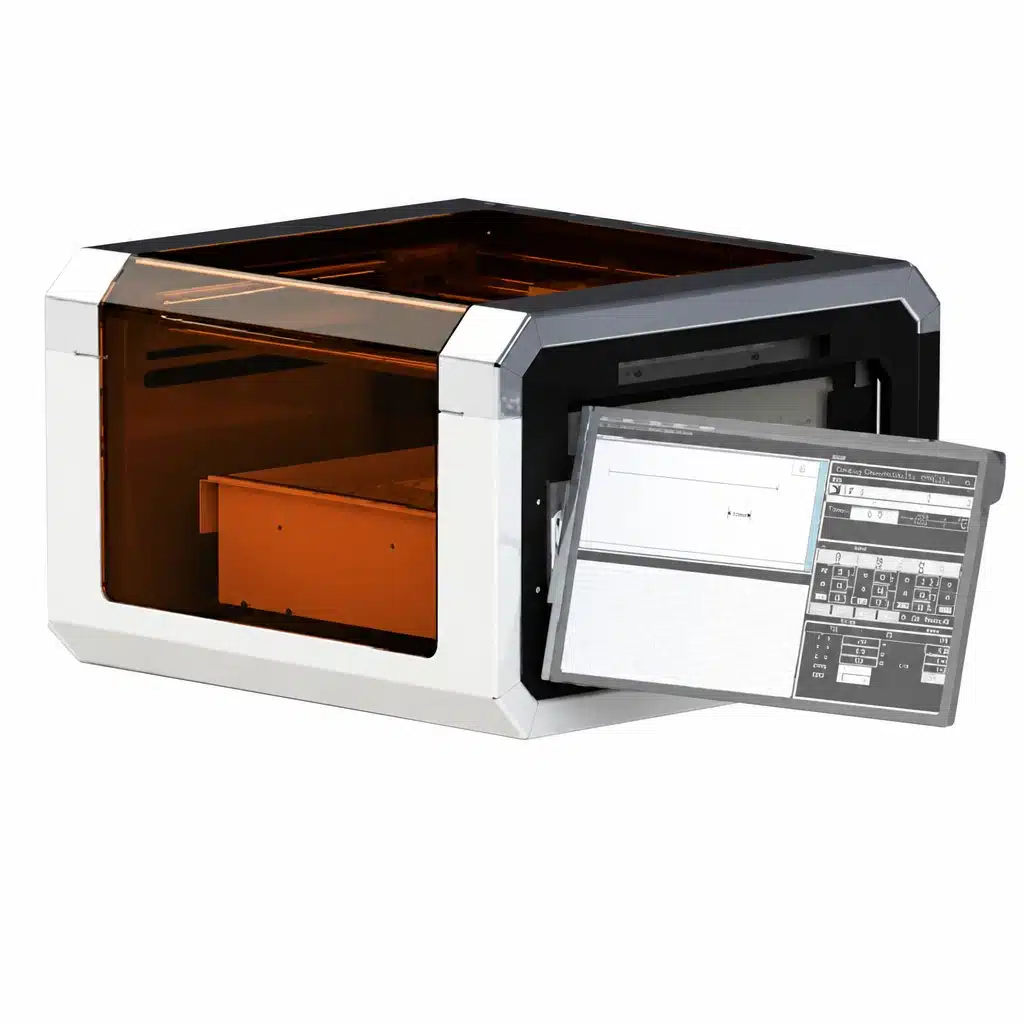
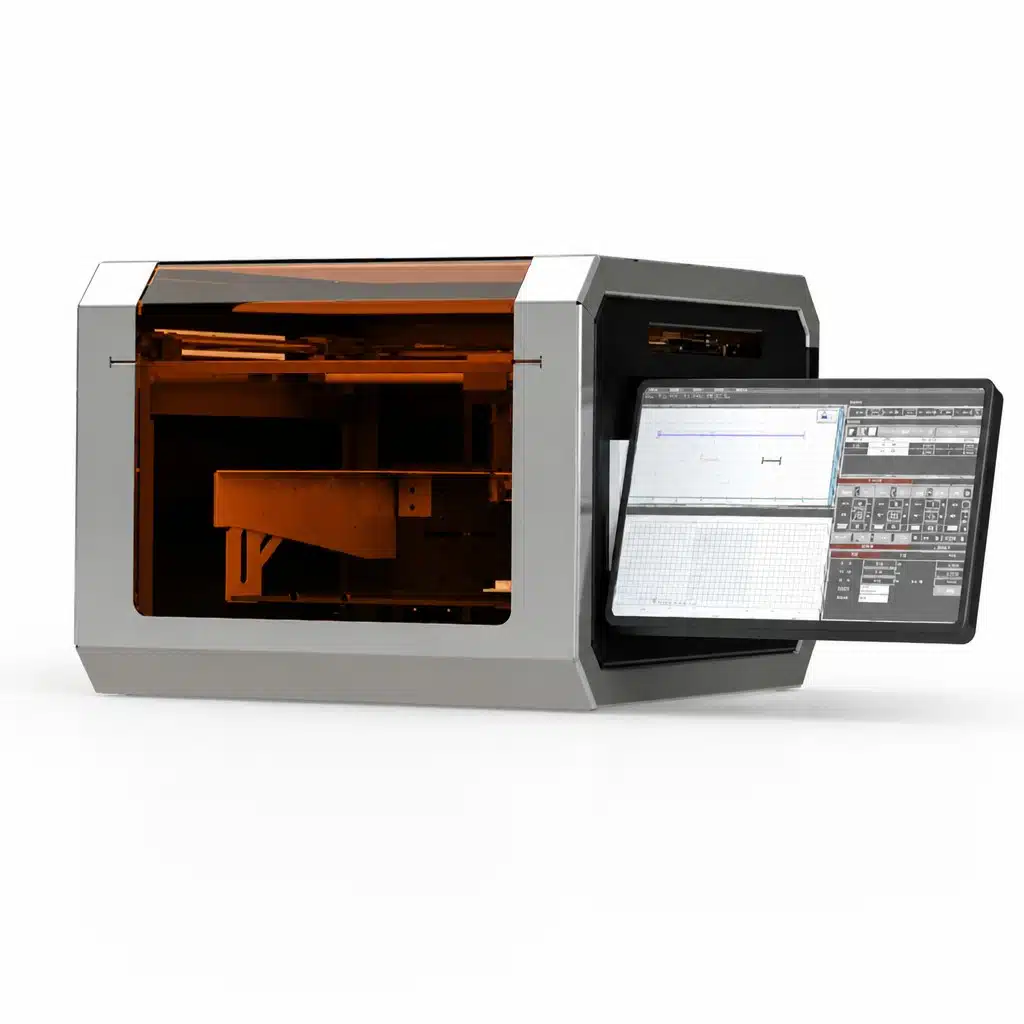
UBSC-DTBT Compact Ultrasonic Scanning System for Non-Destructive Testing of Pouch and Prismatic Cells
The UBSC-DTBT system addresses the critical need for early detection of internal defects and performance degradation in lithium-ion pouch and prismatic cells. It provides a non-invasive method to monitor key parameters such as electrolyte diffusion status, early-stage gas formation, sealing integrity, lithium plating, and state of charge (SOC) without damaging the cells. This capability supports battery research and quality control by enabling in-situ imaging of internal cell conditions during cycling.
Utilizing ultrasonic scanning technology, the UBSC-DTBT detects deterioration typically within 10 to 50 charge-discharge cycles. The system captures ultrasonic signals that reveal morphological and electrolyte changes inside the cells, facilitating early diagnosis of failure modes such as electrolyte instability and anode issues. This approach is supported by published research demonstrating its effectiveness in analyzing wetting phenomena and electrolyte behavior in lithium-ion pouch cells.
Wichtigste Merkmale
- Non-destructive ultrasonic scanning for in-situ imaging of pouch and prismatic cells
- Detects electrolyte diffusion status and early-stage gassing phenomena
- Monitors sealing performance and lithium plating within cells
- Enables state of charge (SOC) monitoring and electrolyte stability testing
- Deterioration detection timeframe: 10 to 50 charge-discharge cycles
- Supports research with references to peer-reviewed publications on battery failure analysis
Technische Daten
| Feature | Spezifikation |
|---|---|
| Detection Principle | Ultrasonic scanning |
| Characterization Method | In-situ imaging |
| Deterioration Detection Time | 10-50 cycles |
Typische Anwendungsbereiche
The UBSC-DTBT system is ideal for battery research laboratories and quality control environments focused on lithium-ion pouch and prismatic cells. It is used to study electrolyte behavior, detect early degradation signs, evaluate sealing quality, and monitor lithium plating and SOC changes during cycling. This system supports development of safer and more reliable battery technologies.
Hinweise zur Konfiguration und zum Betrieb
The system includes ultrasonic scanning hardware and software for data acquisition and analysis. Optional accessories or configurations may be available depending on specific research needs. Proper handling and calibration are essential to ensure accurate in-situ measurements. Users should refer to detailed operational protocols to optimize detection sensitivity and repeatability.


