
YLJ-CWIP-300 Manual Hydraulic Isostatic Press with 30 mm ID Vessel, Electrode Feedthroughs, and Up to 300 MPa Pressure
The YLJ-CWIP-300 is engineered for laboratory-scale isostatic pressing tasks, particularly suited for evaluating the effects of pressure and temperature on solid-state battery materials. Its design allows researchers to apply uniform hydrostatic pressure up to 300 MPa within a compact 30 mm inner diameter vessel, facilitating precise control over sample compaction and testing conditions.
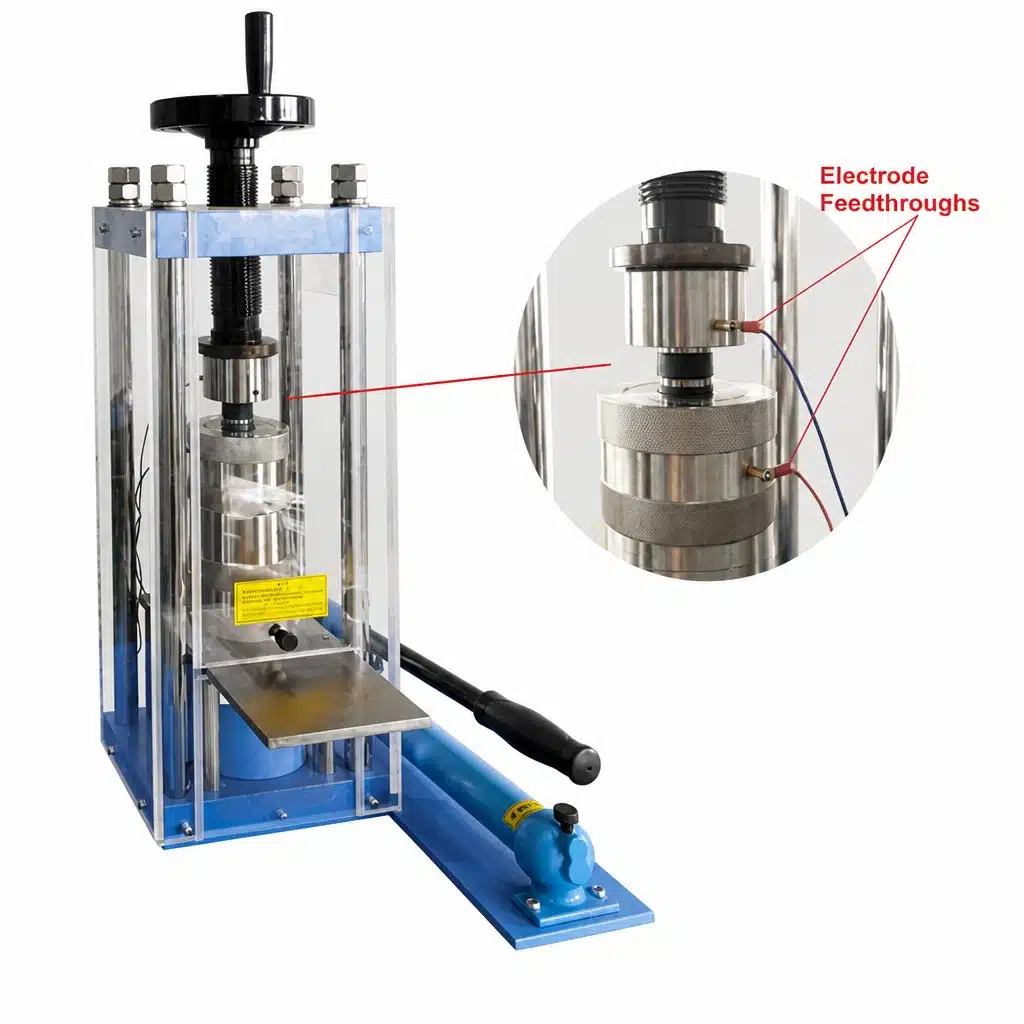
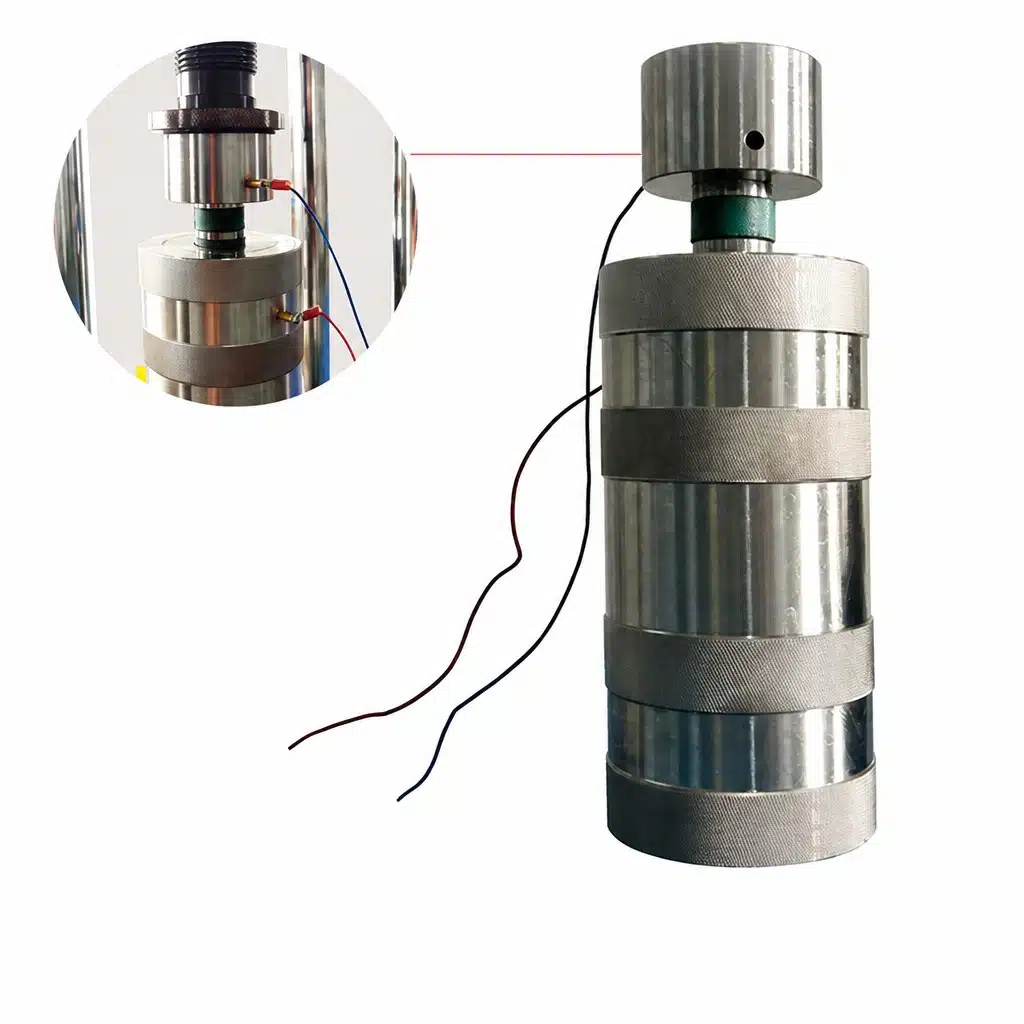
A distinctive feature of this press is the integration of two electrode feedthroughs in the vessel, enabling in situ electrical connection to battery samples during pressing. This capability supports advanced studies on battery capacity and cycle life under controlled pressure environments. The press operates manually via a hydraulic system equipped with a pressure gauge and valve, providing reliable and adjustable force application.
Key Features
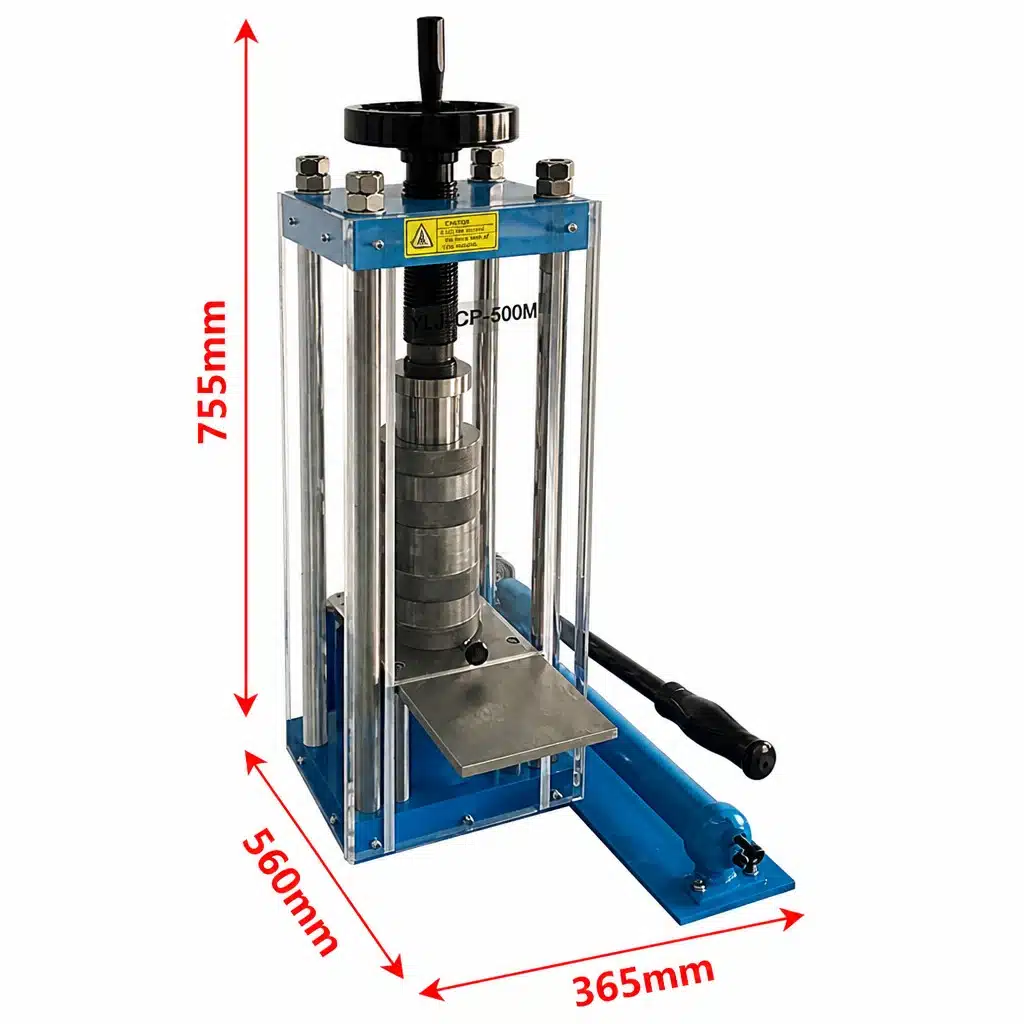
- Manual hydraulic press with a maximum force of 24 tons, suitable for 30 mm ID vessels.
- Two built-in electrode feedthroughs for electrical measurements during pressing.
- Pressure range up to 300 MPa, calculated based on applied force and vessel radius.
- Includes a cold isostatic pressing (CIP) die; warm isostatic pressing (WIP) die with heating tape and digital temperature controller available as an option.
- Optional upgrade to an electric hydraulic pump for automated pressure application.
Technical Specifications
| Parameter | Specification |
|---|---|
| Hydraulic Press Force | 0 – 24 tons |
| Operation | Manual hydraulic with pressure gauge and valve |
| Piston Travel Distance | Maximum 30 mm |
| Vessel Inner Diameter | 30 mm |
| Vessel Height | 110 mm |
| Maximum Pressure | Up to 300 MPa |
| Electrode Feedthroughs | Two built-in feedthroughs for electrical connection |
| WIP Die Option | Available with heating tape and digital temperature controller, max temperature 90°C |
| Electric Hydraulic Pump | Optional upgrade available |
Typical Applications
This press is ideal for research involving cold and warm isostatic pressing of battery materials, especially solid-state batteries. It enables studies on how pressure and temperature influence battery capacity, cycle life, and mechanical integrity. The electrode feedthroughs facilitate simultaneous electrical testing during pressing, supporting advanced battery development workflows.
Configuration & Operating Notes
The standard package includes the manual hydraulic press, a 24-ton press frame, and a cold isostatic pressing die suitable for the 30 mm vessel. Warm isostatic pressing dies with heating elements and temperature control can be added optionally. Users may seal samples with liquid rubber or vacuum sealing methods prior to pressing to ensure sample integrity. An electric hydraulic pump is available as an upgrade for automated pressure control. Proper safety precautions should be observed when operating high-pressure equipment.


